
Identifying Real The Row Bags: What Shoppers Should Watch For
The secondhand market for The Row has surged in recent years, and with that growth comes a surge of knockoffs that are harder to spot than ever. The Row built its reputation on quiet, unbranded luxury, which is precisely why authentication difficult — there’s no big logo to check, no telltale hardware stamp, no conspicuous monogram print to hold up beside a fake. Those buying pre-owned or via resale channels in 2026 must understand the specific structural cues, fabric tells, and paperwork markers that set apart a authentic item from a persuasive copy. This piece covers what to examine before you commit to a purchase, whether you’re eyeing a Margaux, a tote, or one of the brand’s smaller handbags. We’ll also cover where the most reliable buying channels are and how pricing on the secondary market measures against retail. Get familiar with these details now, because the difference between a real item and a fake frequently hinges on millimeters and stitch counts.
Why The Row Bags Are Hard to Authenticate
Different from labels that lean on canvas monograms or stamped logos, The Row built its identity on understatement, and that’s precisely what makes producing knockoffs both easier to attempt and harder to catch. There’s no interlocking logo pattern to scrutinize under a loupe, row leather shoulder bags no distinctive pattern that a counterfeiter might render imperfectly. Rather, genuineness resides in the leather itself, in the way panels are shaped and assembled, and in hardware that’s often unmarked but distinctly weighted and finished. Leathers used by the brand come from select tanneries, and the surface grain, aroma, and suppleness of that material are difficult to replicate at scale. Counterfeiters regularly cut corners on stitching because hand-finishing takes time they don’t want to invest, whereas a genuine bag’s stitching is dense, even, and tight. Since spotting a fake means training your eye on proportion and craftsmanship instead of branding, an overview of row bags for new buyers has to begin with physical and structural signals rather than branding.
Examining the Leather and Hardware
Genuine The Row leather has a distinctive softness that doesn’t sacrifice structure — it drapes rather than slumps, and it holds its shape at the base and sides without feeling stiff or plasticky. Run your fingers along the edges of any bag you’re considering; authentic pieces have edge paint or hand-finished edges that are smooth and consistent, with no fraying, cracking, or visible glue seepage. Hardware on The Row bags, including zippers, clasps, and feet, tends to be weighty rather than lightweight, and it should move smoothly without sticking or rattling. Many pieces use unbranded hardware, so don’t expect an engraved logo on a zipper pull — but do expect a certain heft and matte or brushed finish that cheap alloy replicas can’t quite match. Check the lining as well, since The Row typically uses a suede or fine cotton-blend interior that feels substantially different from the flimsy polyester found in most counterfeits. If a bag’s interior smells strongly of chemical adhesive rather than clean leather or suede, treat that as a red flag rather than a minor quirk.
Stitching, Proportions, and Construction Details
Stitch count and spacing are among the most reliable indicators of authenticity because they’re genuinely difficult to fake convincingly at speed. On a real bag, you’ll typically find between 7 and 9 stitches per inch along major seams, with no skipped stitches, no uneven tension, and no visible thread ends poking out. Compare the two sides of a bag — the front panel should mirror the back in stitch spacing and seam placement almost exactly, since The Row’s pattern-cutting is done with tight tolerances. Look closely at where straps attach to the body of the bag; on authentic pieces, this junction is reinforced and often bar-tacked, while counterfeits frequently show single-line stitching that will fail under normal use. Proportions matter too — The Row’s bags are designed with specific dimensions that don’t vary between production runs, so if a listing’s measurements are noticeably off from published specs, that’s worth flagging immediately. Zipper pulls, especially on totes, should sit flush and operate without snagging, and the base of the bag should sit flat on a table without wobbling or leaning. These details take minutes to check but they tell you more than any certificate of authenticity ever could.
Where to Buy the Margaux Safely and What It’s About
The Margaux remains without much dispute the label’s most recognized style, and it’s also the one most frequently faked, which makes treating the buying process with care non-negotiable.
For anyone uncertain where to buy The Row Margaux bag with confidence, the safest starting points are the label’s own website, its flagship stores, and a select number of approved luxury department stores that carry The Row’s ready-to-wear and accessories lines.
After exhausting those routes, reputable resale platforms with dedicated in-house authenticators — ones that check stitching, hardware, and leather in person before anything goes live — are your next-best choice.
Avoid marketplace listings with stock photos pulled from other sellers, vague measurements, or sellers unwilling to provide additional photos of the interior stamp, zipper pull, and base.
Real Margaux bags maintain a consistent tailored profile with a top handle and a distinctive rounded flap, and any listing showing asymmetric stitching on that flap should be ruled out without hesitation.
Given that the Margaux is perpetually in higher demand than what’s available, a “too good to be true” price on a hard-to-find colorway is typically exactly that.
Daily-Wear Essentials, plus Totes
Because totes see more everyday use and their craftsmanship must withstand use, authenticating them becomes slightly more straightforward — given that the Row’s tote bag lineup usually appeals to shoppers seeking a hardworking everyday bag instead of a showpiece item.
Check the base of any tote carefully, since this is the area most prone to drooping or splitting on badly assembled fakes within months of use.
To keep the bag from collapsing when filled with daily essentials, genuine totes typically feature reinforced corners, whether by additional stitching or subtle structural inserts.
The stitching on the handles and the strap length are also deserving of attention — genuine totes have handles sewn through multiple layers of leather instead of being glued or riveted in a way that looks merely ornamental.
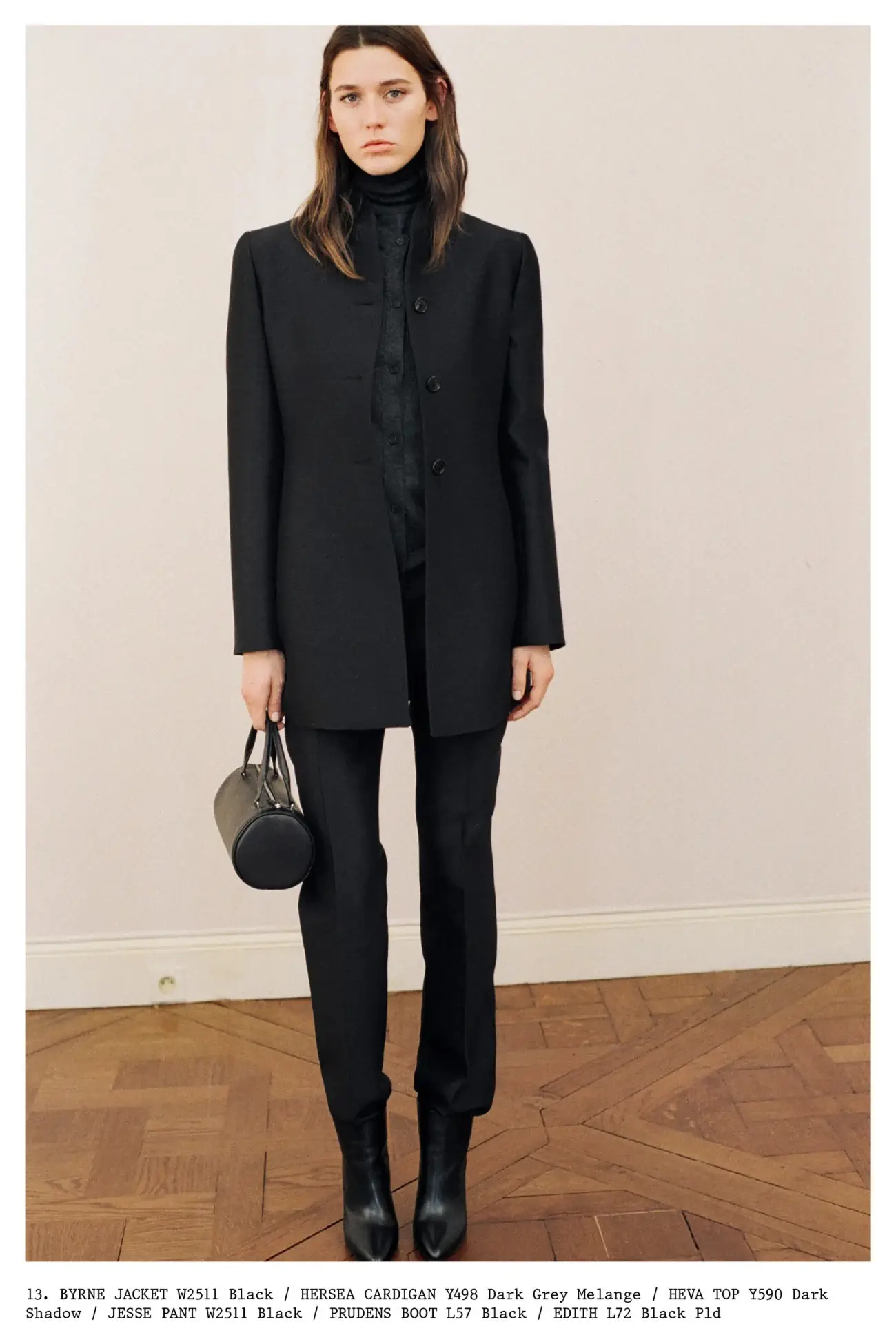
Comparing several tote listings, bear in mind that colors should match consistently across seasons for core styles — so dramatically mismatched tones in the identical advertised color may point to either poor photo quality or a batch of dye from an unauthorized manufacturer.
In sum, totes are one of the more approachable entry points into the brand’s handbags, and getting the construction check right here builds skills you’ll use across every other style.
An Comparison of Costs Across Best-Selling Styles
Understanding typical retail pricing helps you spot inflated resale listings and outright scams before you get too invested in a purchase. The table below reflects general 2026 retail positioning across some of the brand’s best-known bag categories, useful as a reference point when browsing row sale listings or secondhand platforms.
| Style of Bag | Ballpark Price Range | Common Resale Condition Notes |
|---|---|---|
| Margaux (multiple sizes) | $3,000–$5,500 | High demand; inspect the flap’s stitching along with the weight of the hardware |
| The Tote Bag from The Row | $1,800–$3,200 | Examine how worn the base is and where the handles attach |
| Small or Mini Handbags | $2,200–$3,800 | Double-check what the interior lining is made of and proportion accuracy |
| Structured Bags with Top Handles | $2,800–$4,500 | Check seam symmetry and edge paint consistency |
Based on leather type, hardware finish, and limited releases, these figures can move, so it’s wiser to treat them as a loose framework rather than a strict price list. A bag priced dramatically below these ranges, especially in “new with tags” condition, deserves extra scrutiny regardless of how convincing the photos look.
Documentation and Seller Reputation
It’s easy to overlook the fact that documentation and seller reputation add a further layer of scrutiny on top of checking the bag itself. The Row doesn’t include as much branded packaging as some luxury houses, but purchases from authorized retailers typically come with a dust bag, a receipt, and sometimes a card noting the leather type or care instructions. Ask any private seller for the original purchase receipt or order confirmation, and be wary if they claim to have lost all documentation for a bag purchased within the last year or two. Examine reviews and transaction history on resale platforms, because reputable sellers with confirmed reviews are statistically less likely to be moving counterfeit stock. Reverse-image search any listing photos that look suspiciously professional or that appear on multiple unrelated listings, since this is a common tactic among sellers reselling stock photography rather than the actual item they possess. If a platform offers third-party authentication as an add-on service, use it — spending a small fee beats making a costly mistake. At the end of the day, combining hands-on checking with paper-trail verification is the difference between confident buyers and those who get burned.
Final Thoughts for Buyers
Shopping for the row fashion pieces — handbags especially — favors a careful pace and the discipline to pause before clicking “buy.” Because the brand maintains tight production standards, top row bags hold onto their value, which leaves counterfeiters perpetually struggling to replicate details beyond their reach. Whether you’re chasing a specific Margaux colorway or simply want a dependable tote for daily use, the fundamentals stay the same: check the leather, examine the stitching, weigh the hardware, and verify the seller. Rather than logos or branding, top row bags are identified by countless small, consistent choices made throughout how they’re made. Taking fifteen extra minutes to compare stitch density, seam symmetry, and interior lining spares buyers from costly mistakes later on. With counterfeit quality improving every year, that extra diligence isn’t optional anymore — it’s just a necessary part of buying well in 2026.