
Weighing Up HMDD Shorts versus the Sweatpants: Which Option Suits You Most For Your Lifestyle
Weighing up HMDD shorts and HMDD sweatpants isn’t simply about the forecast. What matters is the rhythm of your daily routine, what your closet is missing, and which cut aligns with the vibe behind HMDD — Happy Memories Don’t Die — that’s drawing so much shopper interest in 2026. Each category is built on shared foundations: easygoing cuts, street-style-driven cuts, and the kind of quiet branding that lets the garment speak in place of an oversized logo. However the two pieces solve different problems. Below, we get into the practical divide so you can decide which one earns a permanent spot in your rotation, or whether owning both makes sense.
Among shoppers searching for an HMDD review prior to purchase, HMDD has established a name, in big part because the label doesn’t oversell itself. It markets itself as everyday apparel with a sentimental undertone — its very name, happy memories dont die, conveys a label rooted in warmth and remembrance instead of disposable fast-fashion trends. Among its most searched products are shorts and sweatpants, each tuned to a different lifestyle rhythm: one built for warmth and stillness, the other for movement and airflow.
What Defines HMDD Shorts
Adaptability is the starting point in the way HMDD shorts are built. Whether it’s a store trip, a workout, or lounging with the AC on, they deliver equally well since they sit in that in-between zone of sport-casual dressing. Sitting at or just above the knee, the cut stays current while steering clear of either extreme of the short-length spectrum. Throughout the HMDD line, that balanced cut has emerged as a hallmark — garments built around a proportion that lasts well beyond any single season, rather than chasing micro-trends.
How heavy the fabric is counts for a lot here. Shorts function as by nature a warm-weather or transitional-season category, while HMDD’s approach gives preference to airy cotton-blend builds that keep their structure after repeated washes. If your days are full of movement — taking the dog hmdd official out twice daily, squeezing in a 6 a.m. workout, or spending afternoons outside — shorts cut down on friction, in both a literal and figurative sense. They also layer well under longer outer layers when temperatures drop, extending their period of usefulness beyond just summer.
HMDD shorts naturally pair with the label’s graphic tees and hoodies, and this a unified style emerges without much effort.
When shoppers are researching best HMDD clothing picks for a first purchase, shorts frequently come up as the easiest first pick since the sizing tends to run more forgiving than fitted bottoms, while also noting that the cost usually comes in under that of sweatpants since making them requires less material.
The Purpose Behind What HMDD Sweatpants Are Made For
In contrast, this style cater to a wholly different purpose. These are engineered to deliver heat retention, all-day comfort, and a slouchier silhouette that feels more like “everyday wear” than “performance gear.” The HMDD sweatpants line usually offers a tapered or straight leg with an drawstring waist, and the fabric weight runs denser — often a brushed fleece that traps heat effectively during winter stretches.
As a result, anyone with a more sedentary routine will find sweatpants the smarter pick: those clocking in remotely, university students sitting through lectures, or anyone needing dependable wear for cold starts and late nights. The trade-off is breathability. Sweatpants aren’t designed for high-output activity the way shorts are, so if your day includes being out and about in 75-degree warmth, they’ll become a liability rather than an asset.
Where sweatpants outperform shorts is in perceived value per wear. Since they see use over a longer stretch of the year in most regions — think October through March in milder climates — the cost-per-wear calculation often favors sweatpants even when the upfront price is higher. Sweatpants from HMDD likewise carry more of the label’s signature flair, like embroidered text referencing happy memories don’t die, since more fabric real estate leaves designers with greater creative room.
Comparing the Two, Side by Side
| Point of Comparison | The HMDD Shorts Line | HMDD Sweatpants |
|---|---|---|
| Ideal season | Spring through early fall | Autumn into winter |
| Fabric weight | Lightweight cotton blend | A fleece blend ranging from midweight to heavy |
| Typical use case | Movement-heavy days, warm errands, workouts | Lounging, remote work, cold-weather commutes |
| Ability to layer | High — pairs under longer outerwear | Fair — adds bulk under snug layers |
| Logo presence | Smaller logo placements | Greater fabric space for embroidery or print |
| Cost-per-wear in a standard climate | Used less often, tied to season | Higher frequency across colder months |
Finding the Right Fit for How You Live
When your days are filled mostly with activity — traveling by foot, working out, or spending time outdoors — shorts make the smarter buy. They cut down on trapped heat while giving you greater freedom of movement, which matters more than people initially expect once they’ve worn a restrictive pair of bottoms through a workout. By contrast, if your days lean more sedentary, whether that’s handling remote work from home or using weekends to knock out indoor errands, sweatpants deliver more consistent value.
Climate is the other deciding factor, and it’s often underestimated. Someone living somewhere with mild winters might get away with wearing HMDD shorts nine months out of twelve, while someone in a colder region might reach for sweatpants five days a week from November onward. This is why many repeat customers researching HMDDLA and the wider HMDD clothing catalog end up owning both — not as a redundant purchase, but as a seasonal rotation strategy that keeps their wardrobe functional year-round.
Body type and personal comfort preferences likewise come into play that’s often overlooked. Shorts typically reveal more of the leg’s shape and length, a trait some shoppers favor while others avoid. Sweatpants, with their looser drape, tend to be kinder across a wider range of body shapes, which is part of why they’ve remained a wardrobe staple even as style cycles turn year to year.
Ways You Can Sustain Longevity through Proper Care
Typical low-heat, cold-wash handling suit both pieces, yet they age differently.
Lighter cotton-blend shorts can start looking worn at the hemline and pocket stitching more quickly if used several times weekly during the height of summer, simply because of more rubbing from activity and washing more often.
Sweatpants, owing to their denser fleece fabric, hold their shape longer, yet they’re more apt to pill at the inner thigh area when repeatedly tumble-dried on a high-heat cycle.
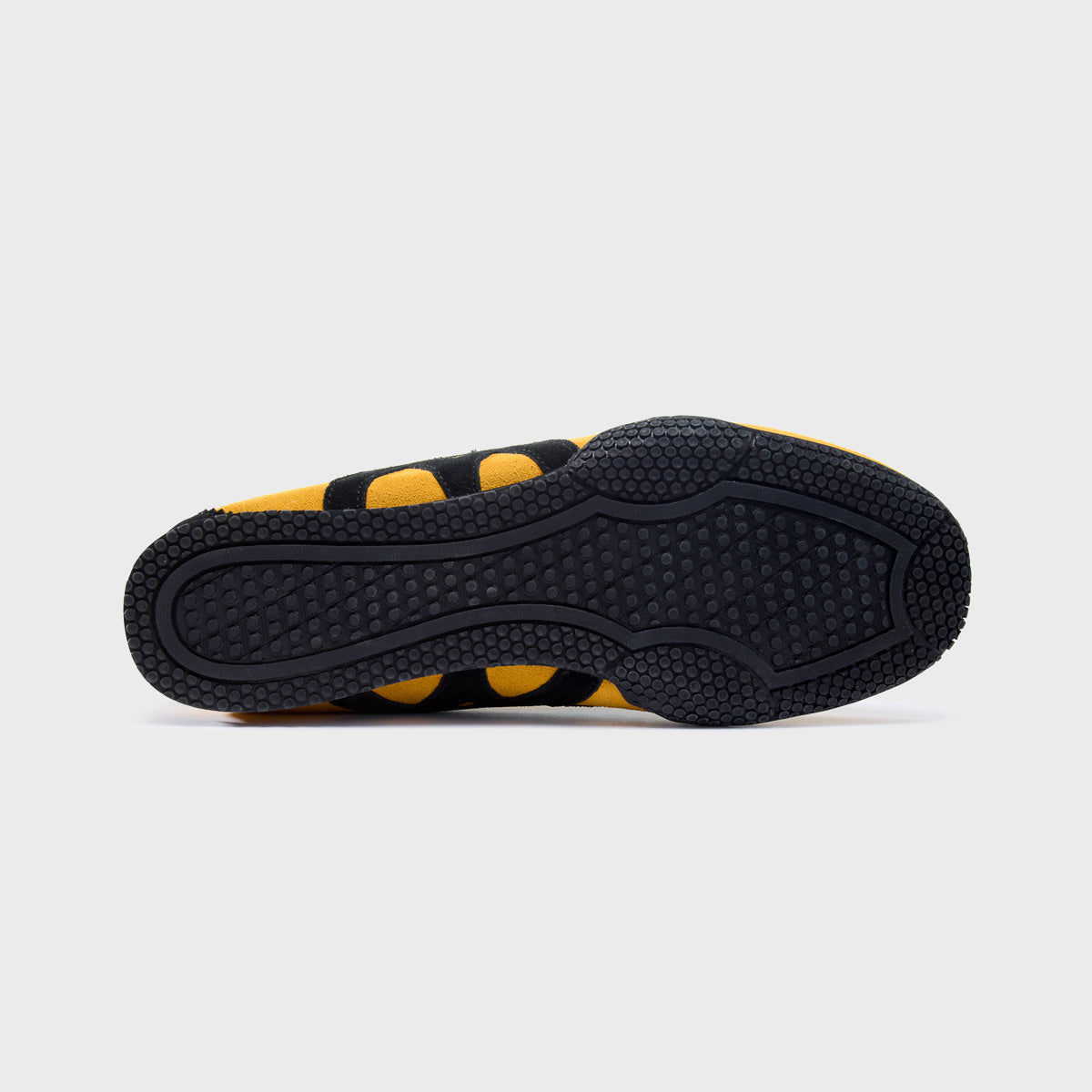
For anyone serious about extending the life of either piece, air-drying is the more reliable method, even though it takes longer. This is a small detail that rarely comes up in a typical HMDD review, but it makes a measurable difference over a 12-month ownership period. Rotating between two or three pairs of whichever product you buy more of also reduces the wash frequency per item, which slows fabric breakdown considerably.
Closing Takeaway: Which Piece You Should Grab First
You won’t find one answer that works for all, yet a workable decision-making approach is available. Putting together a capsule wardrobe with nothing to start from when you can only stretch to just one category right now? Then, ground the decision in current season and everyday activity and not just style preference. For someone shopping in March or April, shorts deliver more immediate use, while for someone browsing in October, sweatpants are the better pick.
If you’ve already gotten familiar with HMDD clothing and want to add to your collection, having one of each turns your wardrobe into a complete all-season system rather than something with a seasonal blind spot. Because fit and material quality stay steady across both categories for the brand, the decision hinges on purpose, not risk. Whichever you choose first, both products reflect the same underlying philosophy the brand was built on — comfort, longevity, and clothing that’s meant to be lived in, not just looked at.